

HOME > Blog

Female education is not just a social responsibility—it is a strategic investment that drives economic growth, reduces poverty, and improves national development. Countries that prioritize girls’ education experience stronger economies, lower child mortality, and more stable societies.
Table of Contents
ToggleIn Pakistan, where almost 22.8 million children are out of school and girls form the majority, empowering women through education is more important than ever.
Think With Jamal Sohail is your space to explore big ideas, real-world case studies, and lessons that shape the way we think.
My mission is simple: to make knowledge accessible, relatable, and inspiring—so you can think bigger, act smarter, and grow stronger.
Join me on this journey of ideas, insights, and impact.
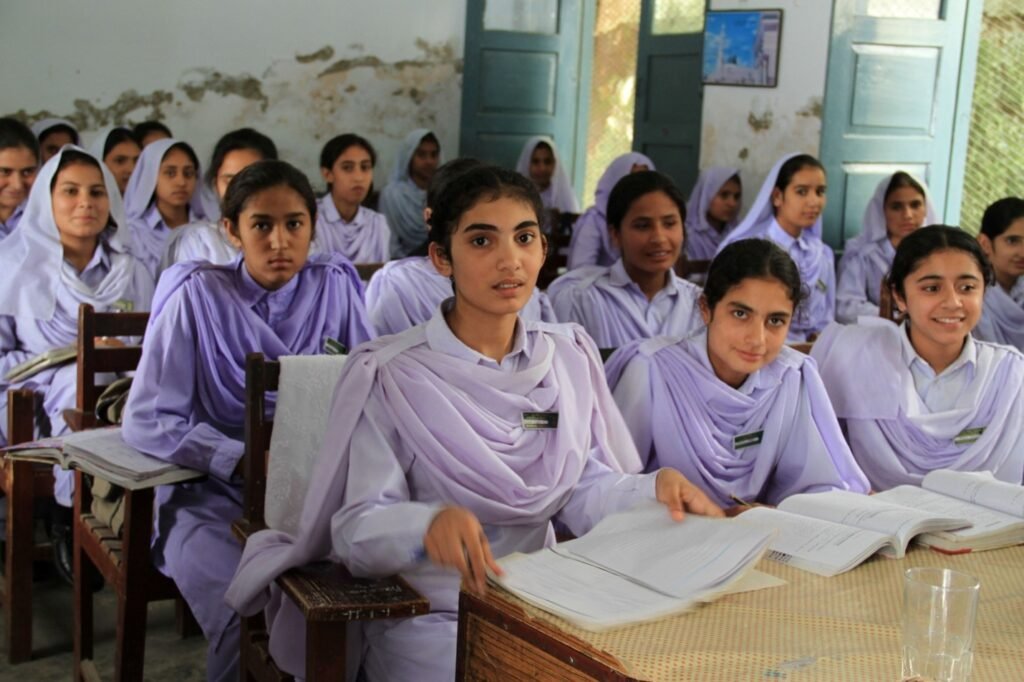
Female education includes providing girls and women with access to primary, secondary, and higher education, along with skills training, digital literacy, and vocational learning.
It ensures that every girl has the opportunity to reach her full potential and contribute to society.
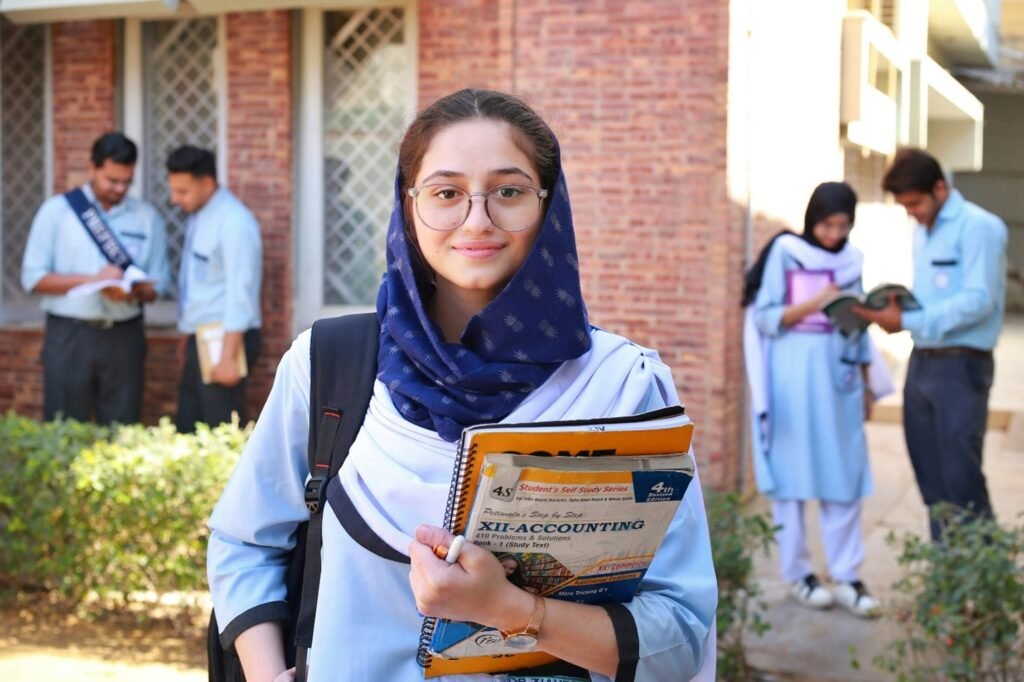
Educating girls results in proven, measurable benefits:
According to UNESCO, each additional year of schooling can increase a woman’s income by up to 20%.
Source: UNESCO Education Statistics
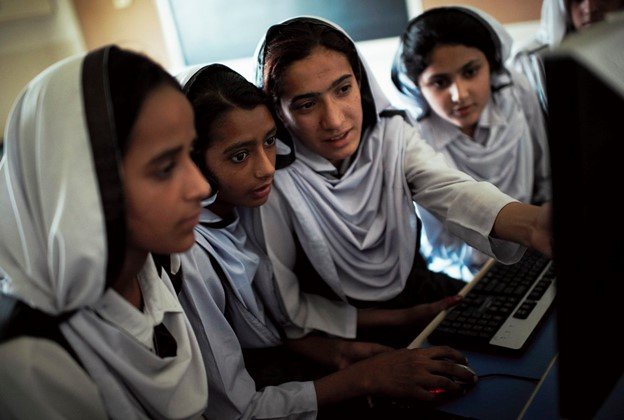
Female education is especially important for Pakistan due to several key factors:
Pakistan’s economy can grow significantly if more women join the workforce. Educated women have higher employment rates and earn more, contributing directly to GDP.
World Bank research shows that reducing gender gaps in education boosts national productivity.
Source: World Bank – Girls’ Education Overview
Educated mothers are more likely to seek healthcare, vaccinate children, and practice better nutrition, lowering mortality rates.
Educated women raise educated families. They can lead communities, participate in national decision-making, and contribute to a more stable society.
In rural Pakistan, female education is one of the strongest tools for escaping poverty. Girls who finish school are less likely to face early marriage and more likely to become financially independent.
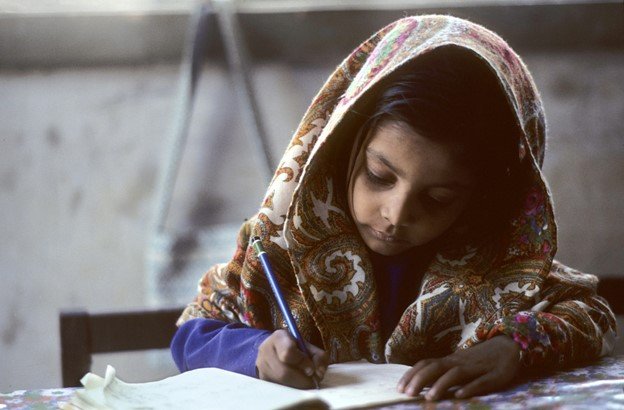
Despite progress, several barriers still prevent Pakistani girls from accessing education:
1. Poverty and Financial Constraints
Families often prioritize boys’ education over girls’, especially in low-income households.
2. Cultural Norms and Gender Bias
Traditional beliefs restrict girls’ mobility and limit their access to schools.
3. Lack of Schools and Infrastructure
Many rural regions still lack girls’ schools, female teachers, or safe transportation.
4. Security Concerns
In some areas, security fears discourage parents from sending girls to school.
5. Early Marriage
Early marriage disrupts education and limits future opportunities for girls.
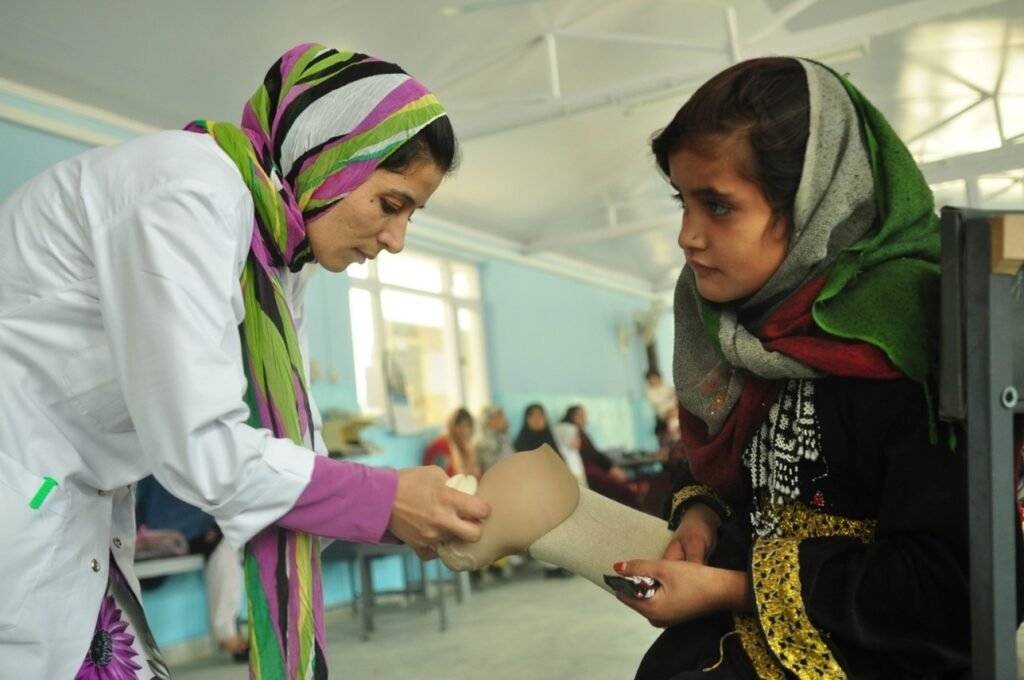
Countries that invest in female education see faster economic growth.
Educated women promote peaceful, well-governed societies.
Female education drastically improves maternal and child health outcomes.
Educated women start businesses, create jobs, and contribute to Pakistan’s digital economy.
Educated women participate more actively in elections, civic roles, and community decisions.
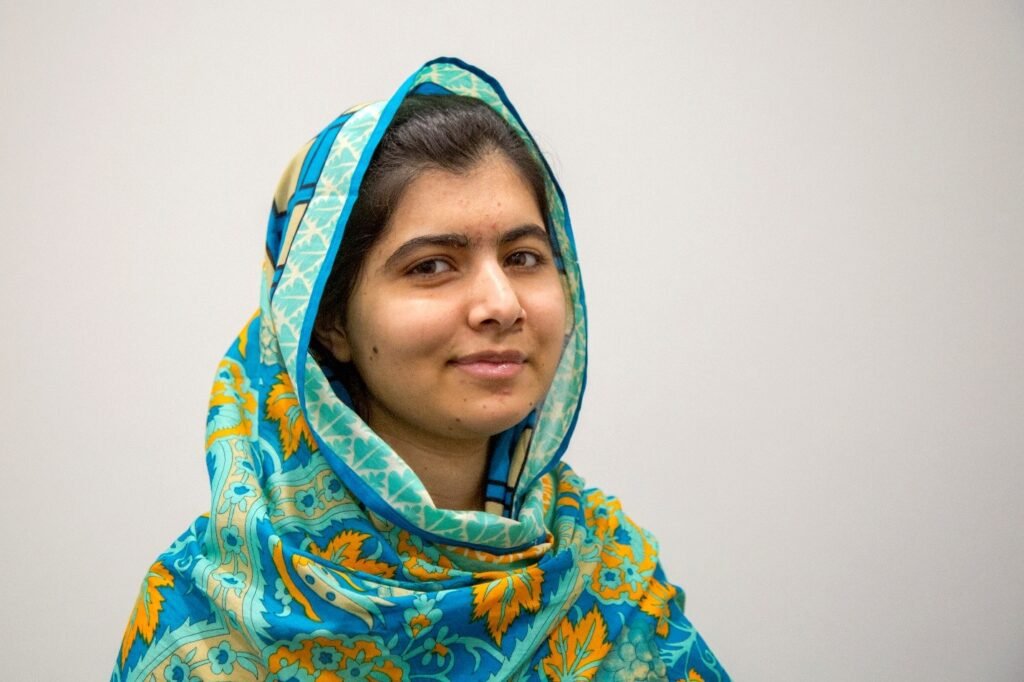
Works to ensure girls worldwide receive 12 years of free, safe, quality education.
Website: https://malala.org
Provides financial incentives to keep girls in school.
Info: Ehsaas Education Program
Improved school infrastructure and increased female teacher recruitment.
These programs target community mobilization and school safety.
UNICEF Pakistan: https://www.unicef.org/pakistan
To improve female education in Pakistan, the following steps are essential:
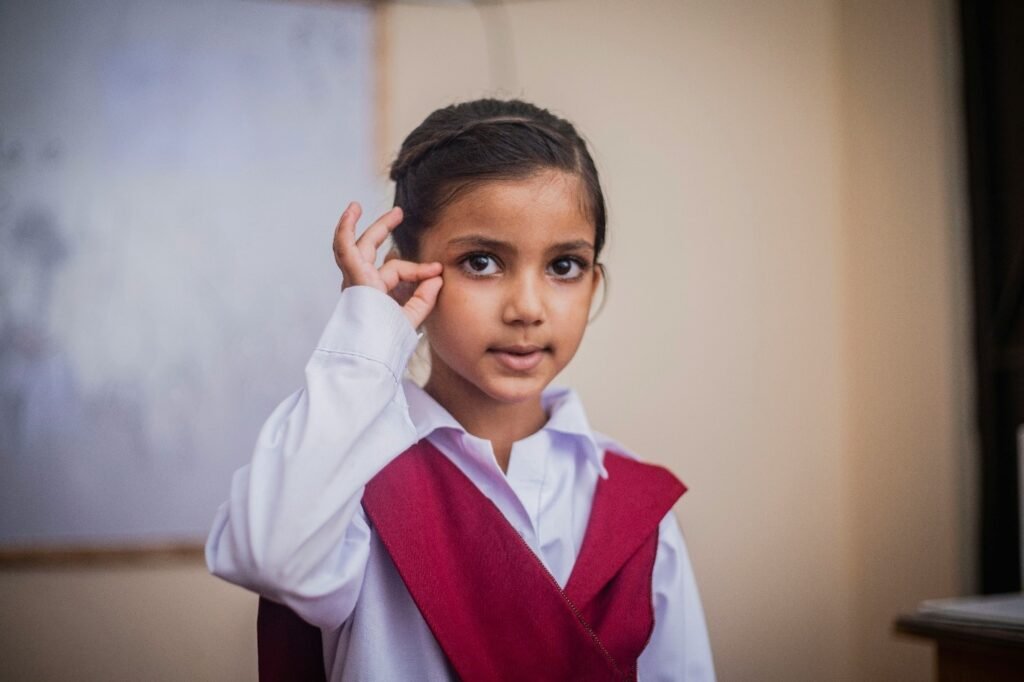
Female education is the foundation of a prosperous and progressive Pakistan. When girls learn, entire families and communities rise. Investing in women today means creating a stronger, healthier, and more economically stable Pakistan tomorrow.
Educating girls is not a luxury—it is a national necessity.