

HOME > Blog
Pakistan’s education sector is undergoing a major digital transformation, driven by a new generation of EdTech startups in Pakistan. With a young population, increasing internet penetration, and gaps in traditional education systems, educational technology has emerged as a powerful solution to improve access, affordability, and quality of learning.
Table of Contents
ToggleFrom online tutoring and test preparation to skills training, learning management systems, and education financing, Pakistani EdTech startups are reshaping how students learn across the country.
Think With Jamal Sohail is your space to explore big ideas, real-world case studies, and lessons that shape the way we think.
My mission is simple: to make knowledge accessible, relatable, and inspiring—so you can think bigger, act smarter, and grow stronger.
Join me on this journey of ideas, insights, and impact.
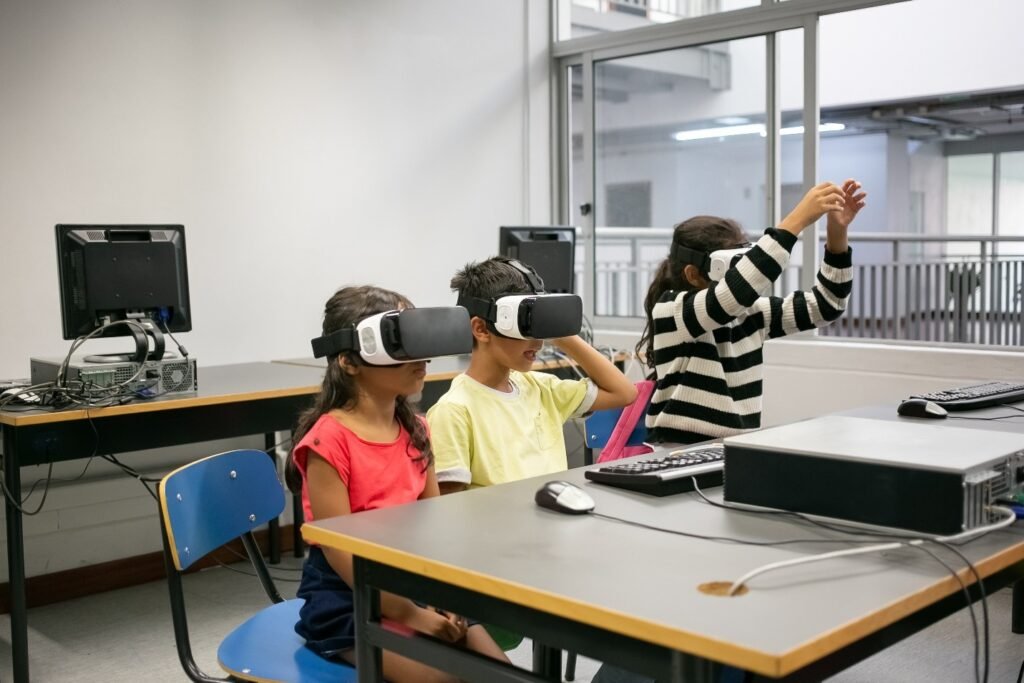
Education Technology (EdTech) refers to the use of digital tools, platforms, and software to enhance learning and teaching. In Pakistan, EdTech startups are filling critical gaps left by traditional education systems—particularly in quality education, teacher availability, affordability, and geographic access.
Cities like Karachi, Lahore, and Islamabad have become EdTech hubs, while online platforms now reach students in smaller cities and rural areas across Pakistan.

EdTech startups play a crucial role in national development by:
With over 22 million out-of-school children, EdTech innovation is not optional—it is essential.

Digital classrooms, recorded lectures, and live tutoring platforms enable students to learn anytime, anywhere.
Startups help students prepare for board exams, entry tests, and competitive assessments.
Platforms focus on digital skills, freelancing, and job readiness.
Fintech-enabled EdTech startups are making education more affordable through installment-based learning models.
Below are some of the most impactful EdTech startups in Pakistan, working across learning, skills, and education access:

An online learning platform offering recorded and live classes for Matric, Intermediate, and competitive exam students.

Uses data and adaptive learning tools to improve student outcomes in schools.

Provides animated digital learning content aligned with Pakistan’s national curriculum.

An education-focused fintech startup helping families finance education through flexible payment solutions.

Offers curriculum-based video lessons for school students in Pakistan.

A national digital skills initiative helping youth learn freelancing and tech skills.

A mobile-first platform providing educational content, particularly aiming to bridge learning gaps.

Provides gamified and video-based learning in local languages (Urdu, Sindhi, Pashto, Punjabi) for primary education.

A network of expert tutors providing subscription-based online learning with worksheets and quizzes.

Envisioned to provide a high-quality alternative to tuition academies in the comfort of students’ homes.

EdTech startups in Pakistan are increasingly aligned with employability and workforce readiness. By teaching skills such as coding, freelancing, digital marketing, and problem-solving, these platforms help young Pakistanis:
This makes EdTech a direct contributor to economic resilience and employment creation.

Despite rapid growth, EdTech startups face challenges such as:
However, hybrid learning models and mobile-first platforms are helping overcome these barriers.

Several initiatives support EdTech growth in Pakistan:
Universities, schools, private accelerators, and impact investors are also playing an increasing role in supporting education startups.

The future of EdTech startups in Pakistan looks promising due to:
EdTech is expected to become one of Pakistan’s most impactful startup sectors over the next decade.
EdTech startups in Pakistan are transforming how education is accessed, delivered, and experienced. By combining technology with local understanding, these startups are solving real problems—bridging education gaps, improving learning outcomes, and preparing Pakistan’s youth for the future.
With sustained investment, policy support, and innovation, EdTech can become a cornerstone of Pakistan’s social and economic development.