

HOME > Blog

Entrepreneurship in Pakistan has evolved from traditional family businesses into a dynamic ecosystem of startups, tech founders, social entrepreneurs, and global business leaders. Across cities like Karachi, Lahore, Islamabad, Faisalabad, and Peshawar, Pakistani entrepreneurs are creating jobs, solving local problems, and connecting Pakistan to the global economy.
Table of Contents
ToggleWith a young population, expanding digital access, and growing startup support systems, entrepreneurs in Pakistan are playing a critical role in national development.
Think With Jamal Sohail is your space to explore big ideas, real-world case studies, and lessons that shape the way we think.
My mission is simple: to make knowledge accessible, relatable, and inspiring—so you can think bigger, act smarter, and grow stronger.
Join me on this journey of ideas, insights, and impact.
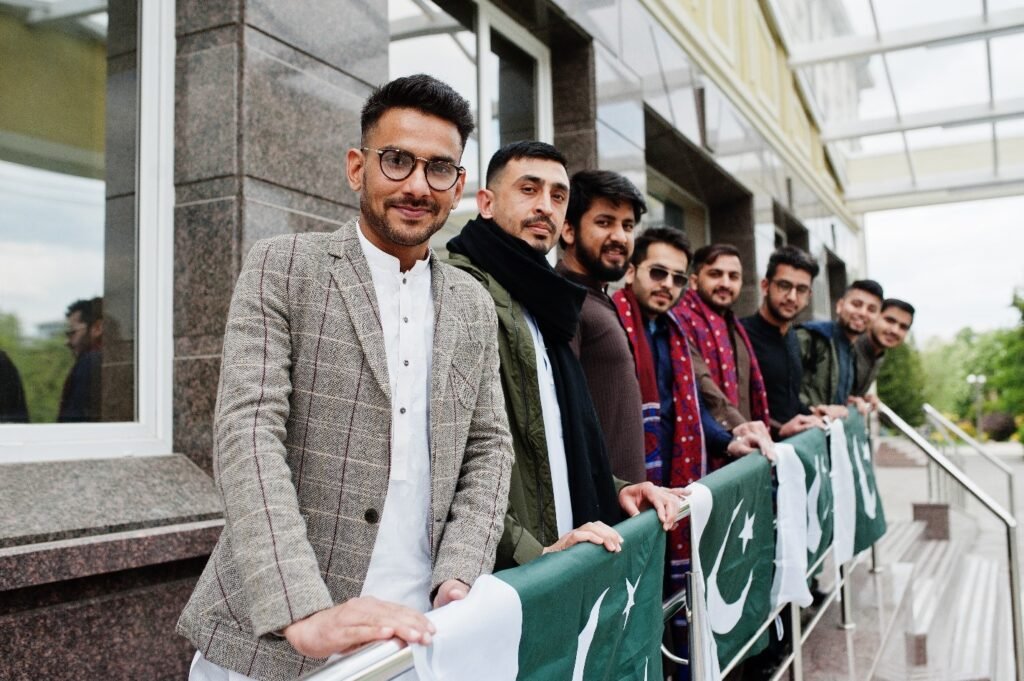
Entrepreneurship in Pakistan refers to the creation, growth, and scaling of businesses that generate economic value, employment, and innovation. From SMEs and startups to social enterprises, entrepreneurs form the backbone of Pakistan’s economy.
According to the World Bank, small and medium enterprises (SMEs) are key drivers of employment and GDP in developing countries like Pakistan.
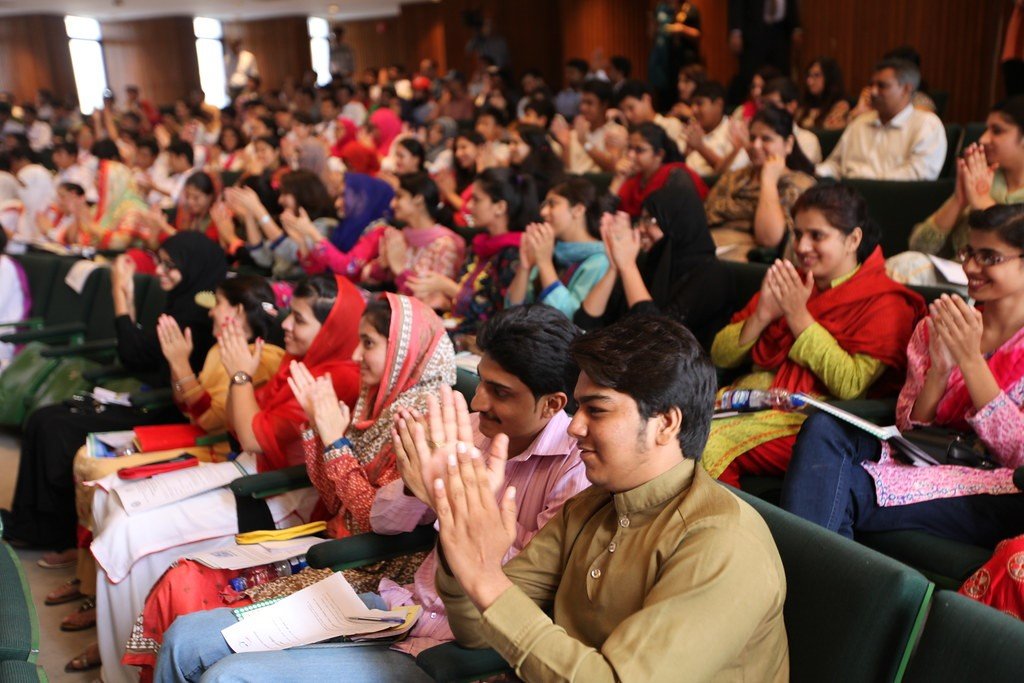
Several structural and social factors are accelerating entrepreneurship in Pakistan:
Entrepreneurship is increasingly seen not just as a career choice, but as a necessity for economic survival and growth.
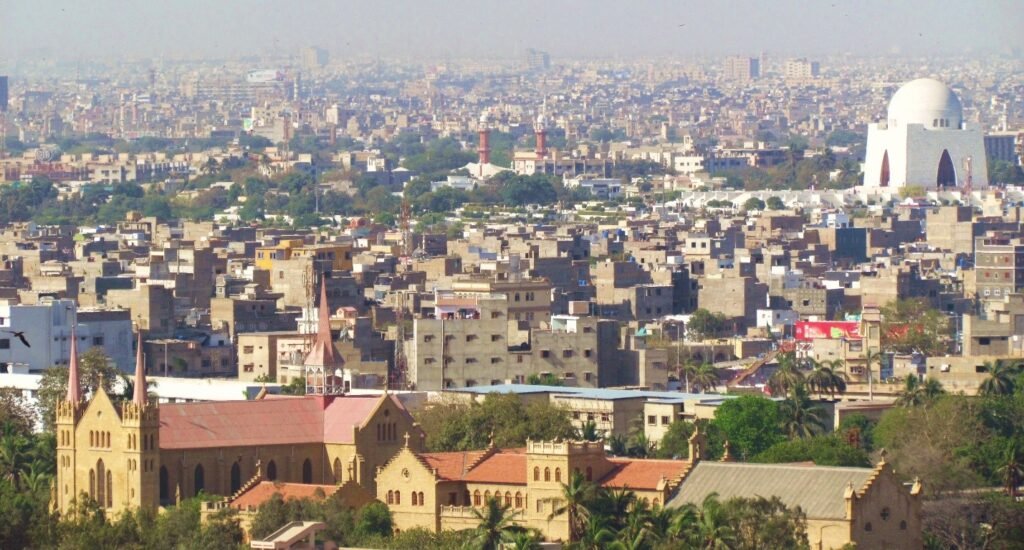
Entrepreneurship in Pakistan is not limited to one city. Each major city contributes uniquely:
Pakistan has produced many successful entrepreneurs who started with small ideas and went on to build large, influential businesses that shape the country’s economy today. Figures like Malik Riaz Hussain (top entrepreneur in pakistan), Mian Muhammad Mansha (Nishat Group), Sadruddin Hashwani (Hashoo Group), Sir Anwar Pervez (Bestway Group), and Jehangir Siddiqui (JS Group) began their journeys as entrepreneurs, identifying market gaps and taking calculated risks. Their ventures span real estate, textiles, banking, hospitality, cement, and energy, collectively generating billions in revenue and employing hundreds of thousands of people. These success stories highlight how entrepreneurship in Pakistan can scale into powerful business empires, inspiring a new generation of founders to think long-term, innovate boldly, and contribute to national development.
Pakistani entrepreneurs are actively building businesses in:
Pakistan’s IT and freelancing exports continue to grow annually.
Pakistan Software Export Board
Digital wallets, microfinance, and payment solutions improving financial inclusion.
Local brands and marketplaces serving Pakistan’s unique consumer needs.
Online learning platforms, test prep startups, and skills-based education ventures.
Startups modernizing farming, supply chains, and rural productivity.
Below is a Pakistan-wide list of influential entrepreneurs across sectors:

Founder of Rozee.pk, Co-Founder of Finja and Dukan (top entrepreneur in pakistan)
A leading tech entrepreneur shaping recruitment, fintech, and digital commerce.


Founders of PakWheels.com, Pakistan’s largest online automobile marketplace, Suneel Sarfraz Munj and Hanif Bhatti are among the most impactful digital entrepreneurs in Pakistan.

Founder of Shan Foods
Revolutionized Pakistan’s packaged food and spices industry.
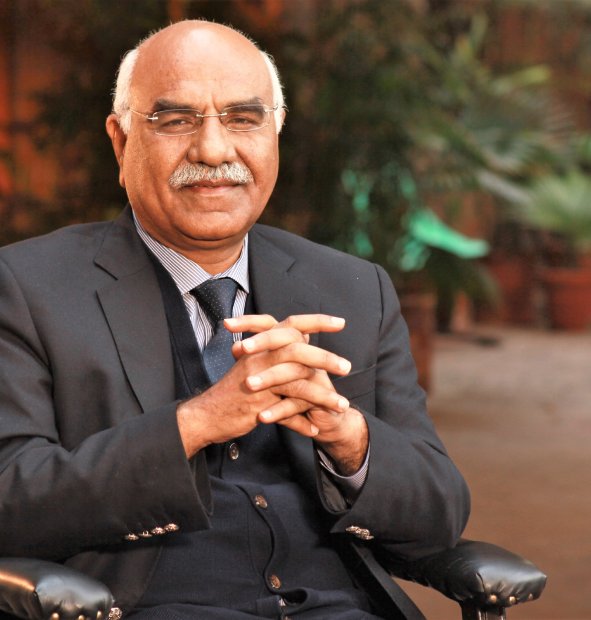
Founder of Akhuwat Foundation
A pioneer of interest-free microfinance and social entrepreneurship.
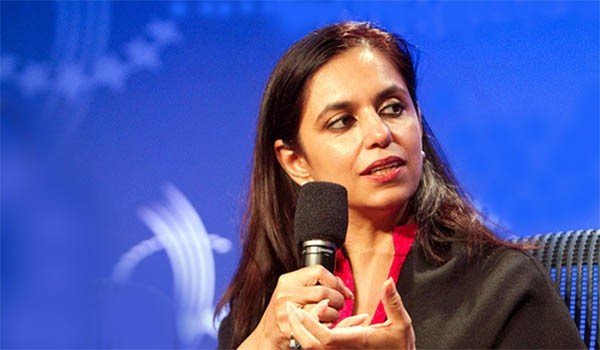
Founder of Kashf Foundation
Empowered thousands of women entrepreneurs through microfinance.
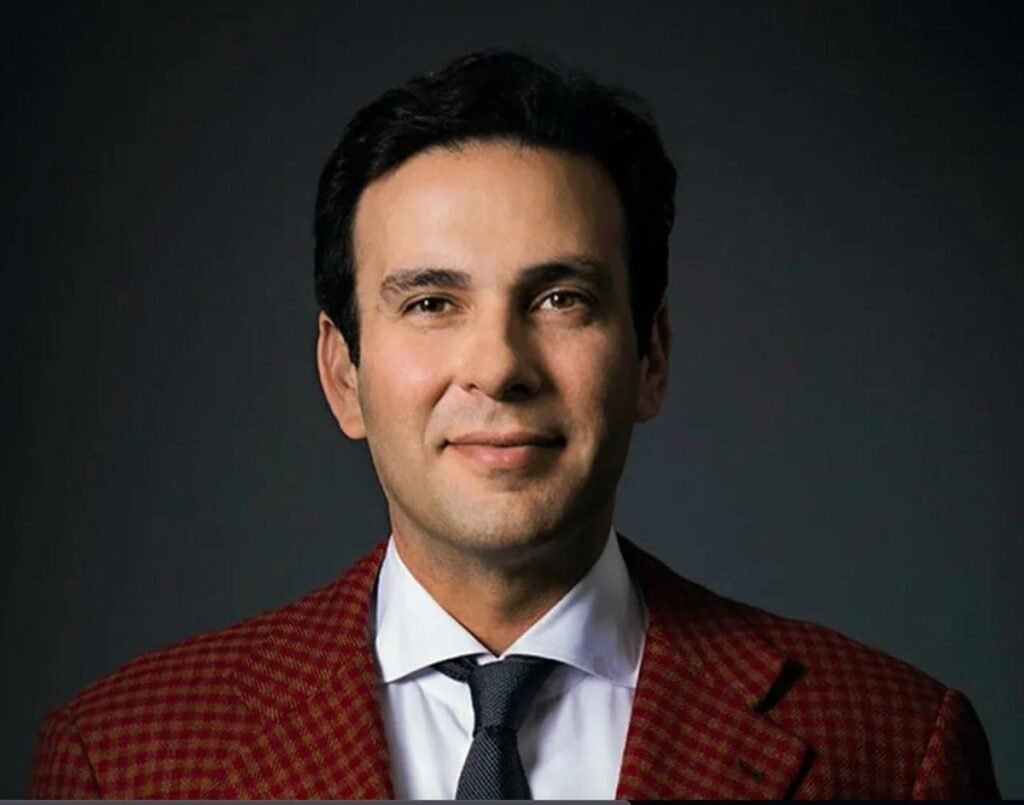
Founder of TRG Pakistan and Afiniti
Global leader in AI-driven enterprise solutions.

Founder of Zameen.com
Pakistan’s largest online real estate marketplace.
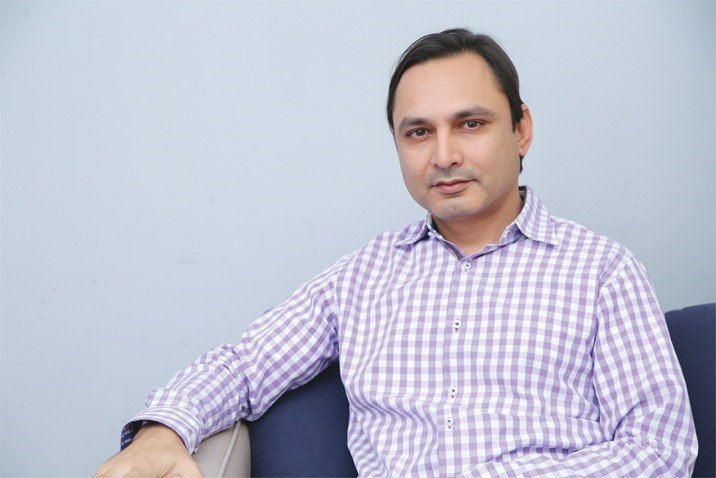
Co-founder of Bykea, Pakistan’s leading ride-hailing and delivery platform.
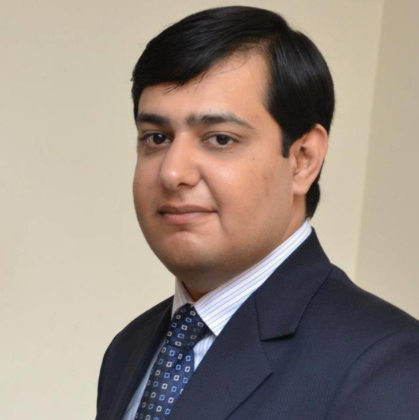
The CEO and Founder of Bookme, the leading online booking platform in Pakistan and the MENAP region.

Several institutions support entrepreneurs across Pakistan:

Despite progress, entrepreneurs face key challenges:
Solving these issues is essential for sustainable growth.

The future of entrepreneurship in Pakistan looks promising due to:
With the right policies and investment, Pakistan can become a regional startup and innovation leader.
Many of Pakistan’s largest business groups started as entrepreneurial ventures, built by individuals who identified opportunities, took risks, and scaled their businesses over decades. These leaders and big businessmen of Pakistan demonstrate how entrepreneurship in Pakistan can evolve into large, multi-sector conglomerates, making them influential and the richest Pakistanis.

Malik Riaz Hussain began as a small contractor and grew Bahria Town into Pakistan’s largest private real estate developer, reshaping urban housing, commercial development, and private infrastructure across the country.
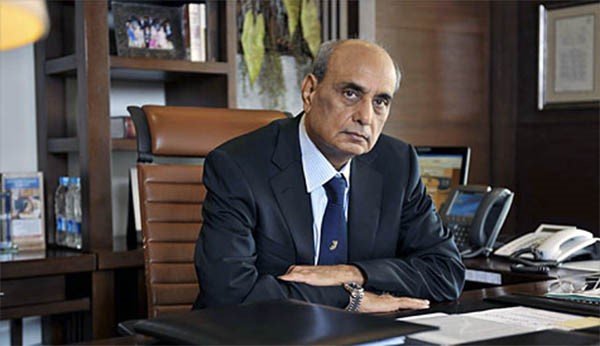
Starting from textile entrepreneurship, Mian Muhammad Mansha built Nishat Group into one of Pakistan’s largest conglomerates, with interests in textiles, banking (MCB Bank), cement, power, and insurance.
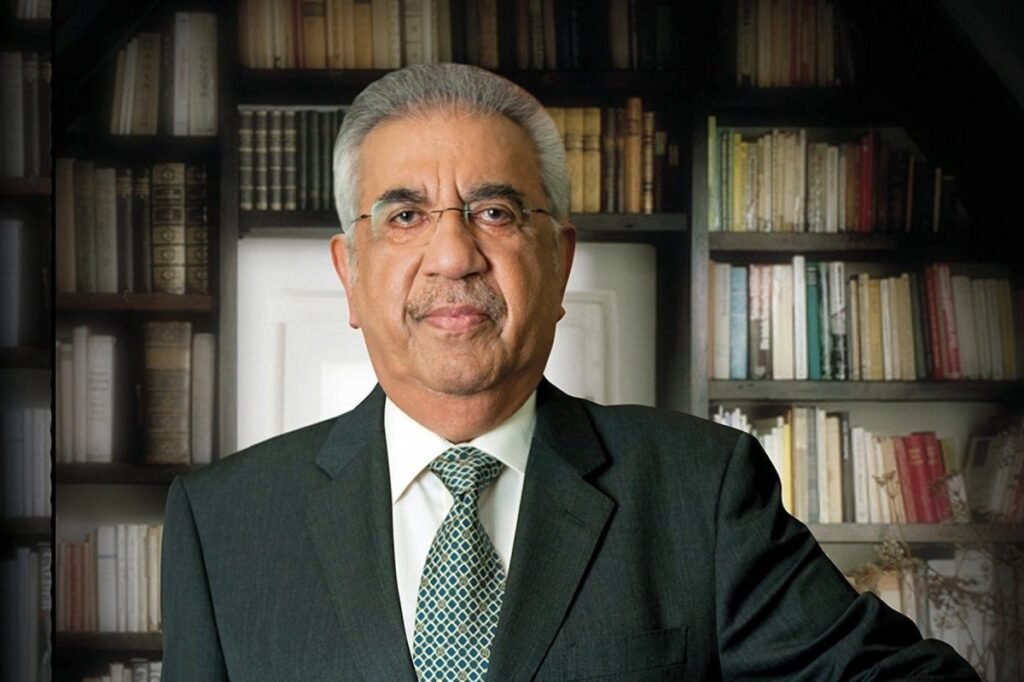
Sadruddin Hashwani started as a trader and entrepreneur before founding the Hashoo Group, which now operates luxury hotels (Pearl Continental & Marriott), energy, real estate, and hospitality businesses nationwide.
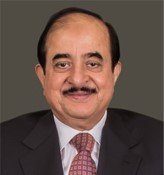
Jehangir Siddiqui began as a stockbroker and entrepreneur, eventually building JS Group, a major financial services conglomerate involved in banking, investment, insurance, and asset management.
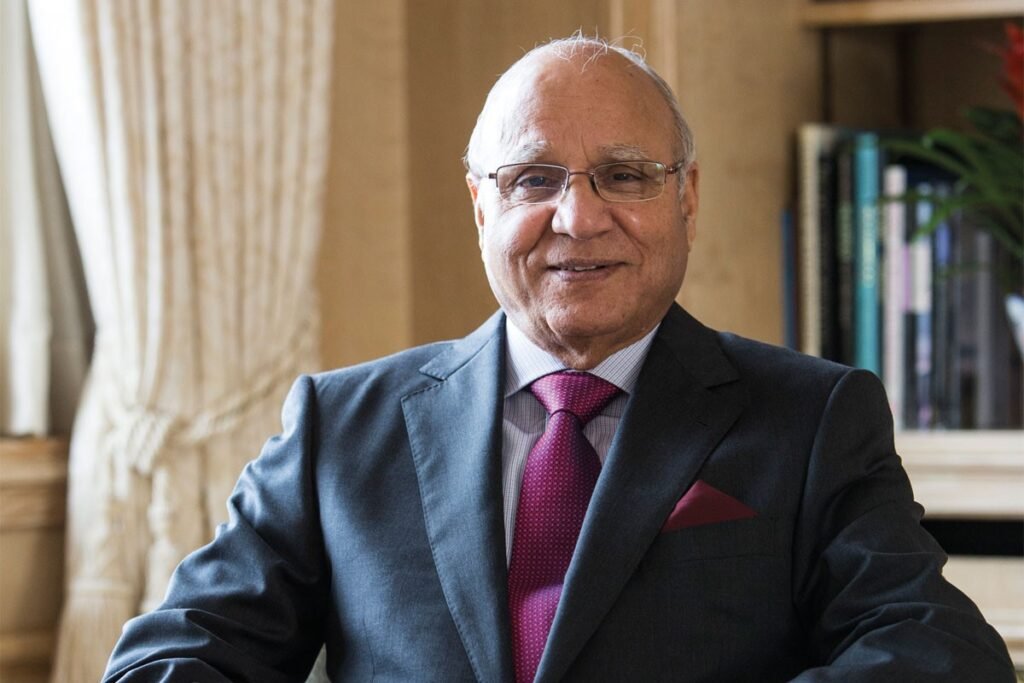
Anwar Pervez started with a single retail store in the UK and expanded into Bestway Group, which later became a major investor in Pakistan’s cement, banking (United Bank Limited), and food sectors.
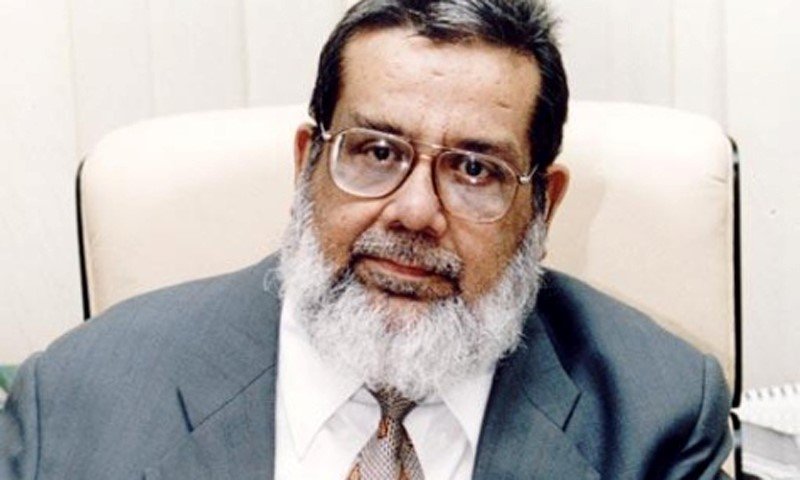
Starting as a small gold trading business in Dubai, ARY built a diversified group spanning media, retail, digital platforms, and international trade.
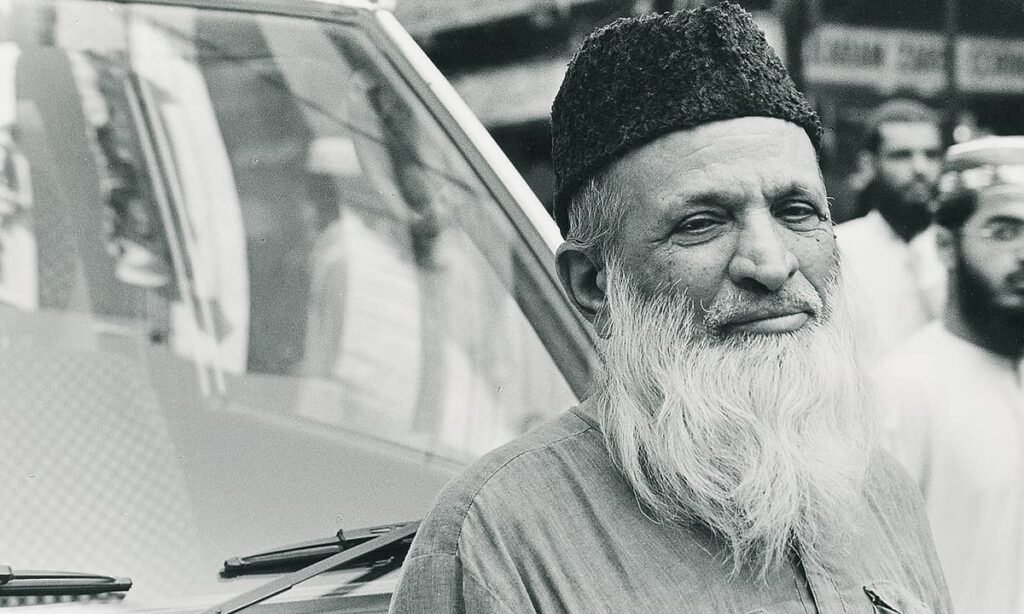
Though not a traditional businessman, Edhi started with a single dispensary and built the world’s largest volunteer ambulance network, representing one of Pakistan’s most powerful examples of social entrepreneurship.

Pakistani-American billionaire entrepreneur, owner of Flex-N-Gate, Jacksonville Jaguars, and Fulham FC.
These business leaders prove that:
Entrepreneurs in Pakistan are reshaping the country’s economic future. From traditional industries to cutting-edge startups, they are creating jobs, driving innovation, and strengthening communities across the nation.
By supporting entrepreneurs through education, policy reform, digital infrastructure, and access to capital, Pakistan can unlock long-term, inclusive economic growth and global competitiveness.