


HOME > Blog
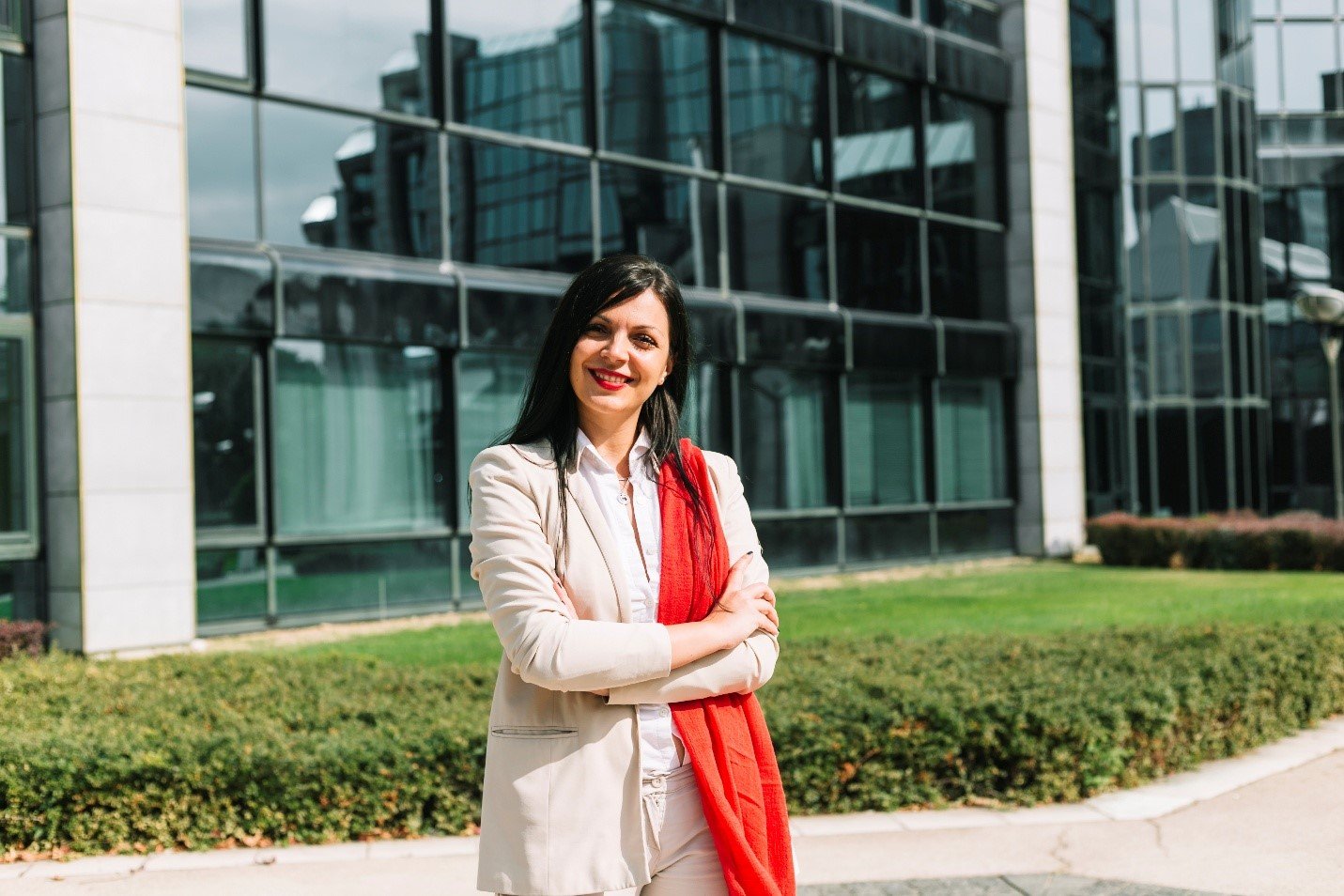
Female entrepreneurs in Pakistan are transforming the country’s economic and social landscape. From technology startups and e-commerce platforms to social enterprises and corporate leadership, Pakistani women entrepreneurs are breaking barriers, creating jobs, and driving innovation.
Table of Contents
ToggleDespite cultural and structural challenges, women-led businesses in Pakistan are growing steadily, supported by digital access, education, and policy-level initiatives.
This blog explores the role, impact, challenges, and leading examples of female entrepreneurship in Pakistan.
Think With Jamal Sohail is your space to explore big ideas, real-world case studies, and lessons that shape the way we think.
My mission is simple: to make knowledge accessible, relatable, and inspiring—so you can think bigger, act smarter, and grow stronger.
Join me on this journey of ideas, insights, and impact.
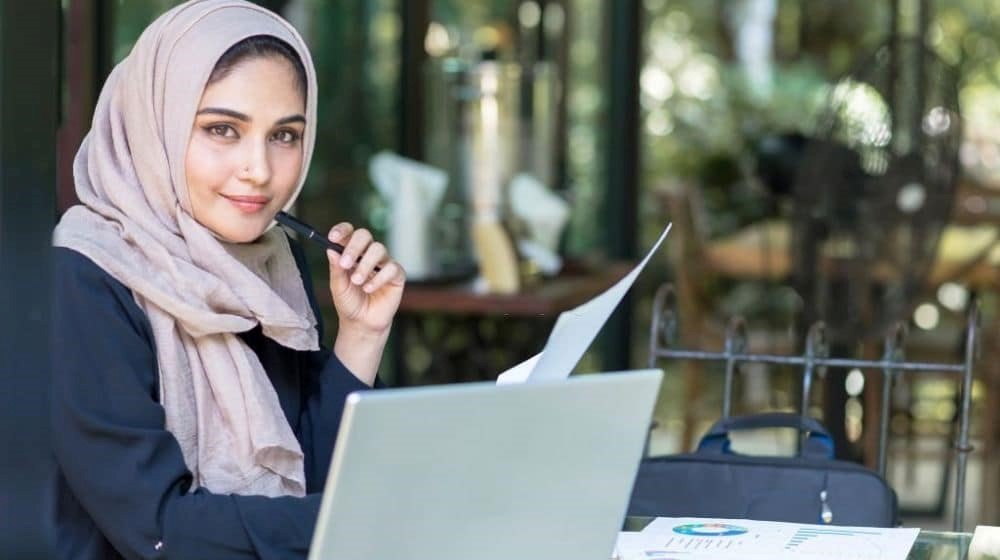
Female entrepreneurship in Pakistan refers to women who start, manage, and scale businesses, whether for profit or social impact. These entrepreneurs operate across diverse industries, including technology, education, fashion, finance, healthcare, digital media, and others.
According to the World Bank, women’s economic participation is directly linked to national economic growth.
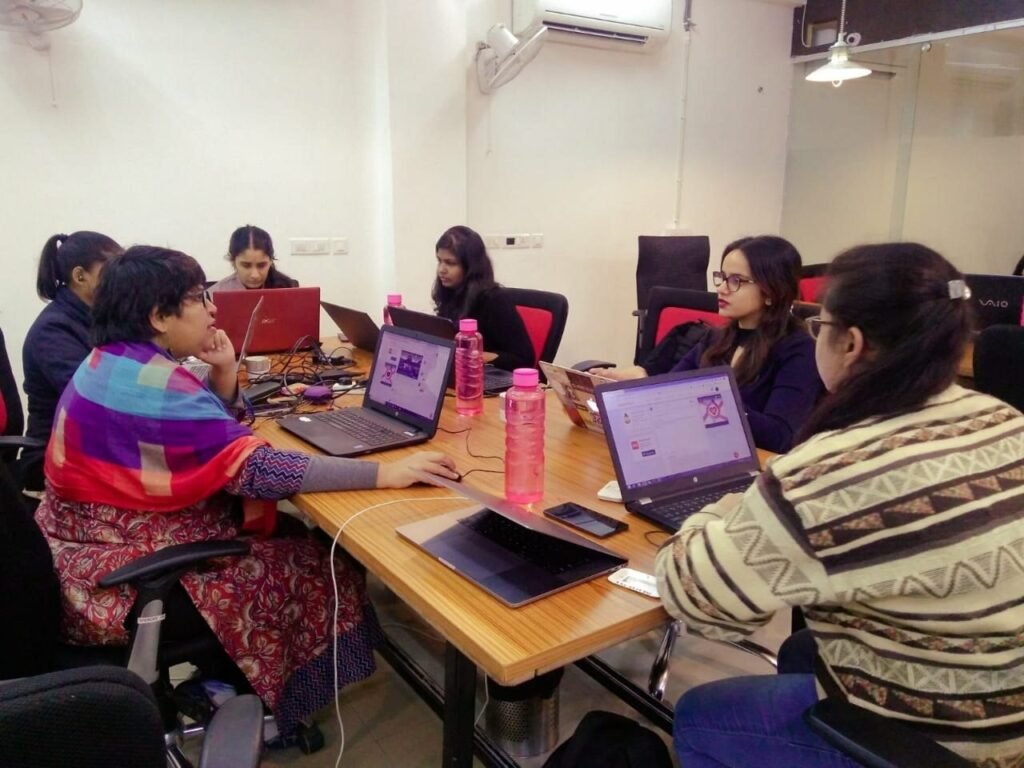
Women entrepreneurs play a critical role in Pakistan’s development by:
Studies by the International Finance Corporation (IFC) show that women-led SMEs significantly boost productivity when given equal access to finance.
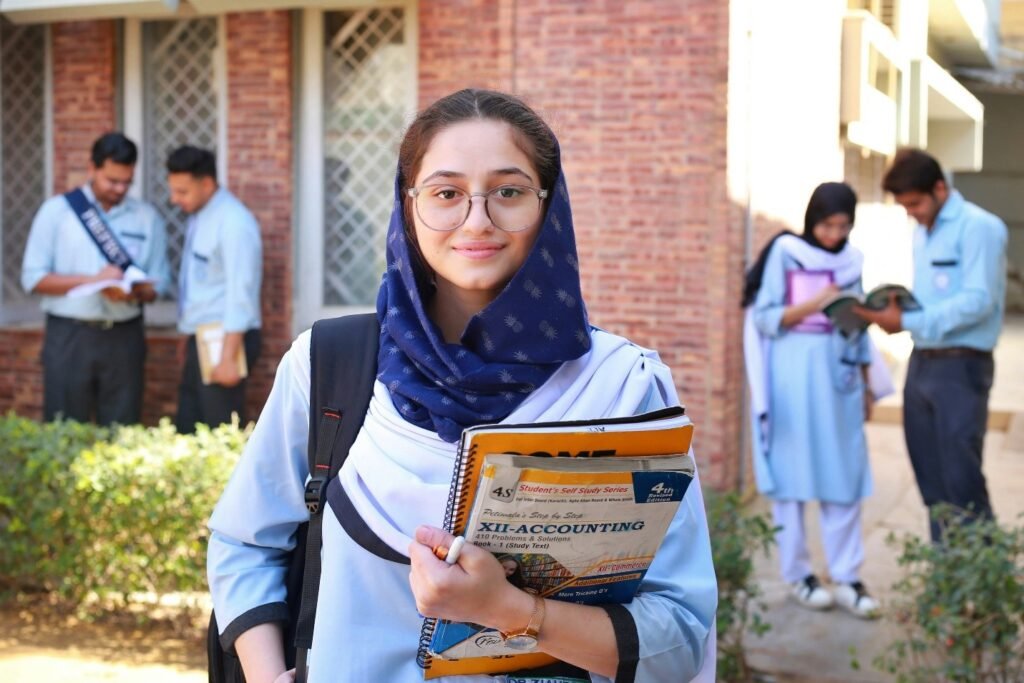
Several factors have contributed to the rise of female entrepreneurs in Pakistan:
Organizations like SECP Pakistan have also simplified business registration processes, benefiting women entrepreneurs.
Here are some of the most influential and inspiring female entrepreneurs in Pakistan:
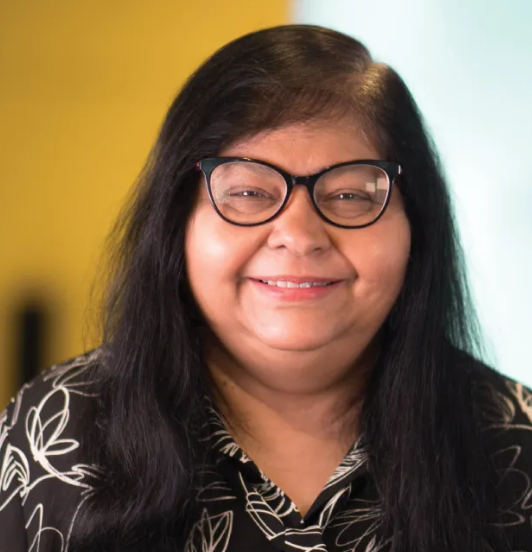
A leading tech entrepreneur and digital ecosystem builder who has played a pivotal role in promoting women in technology and startups across Pakistan.
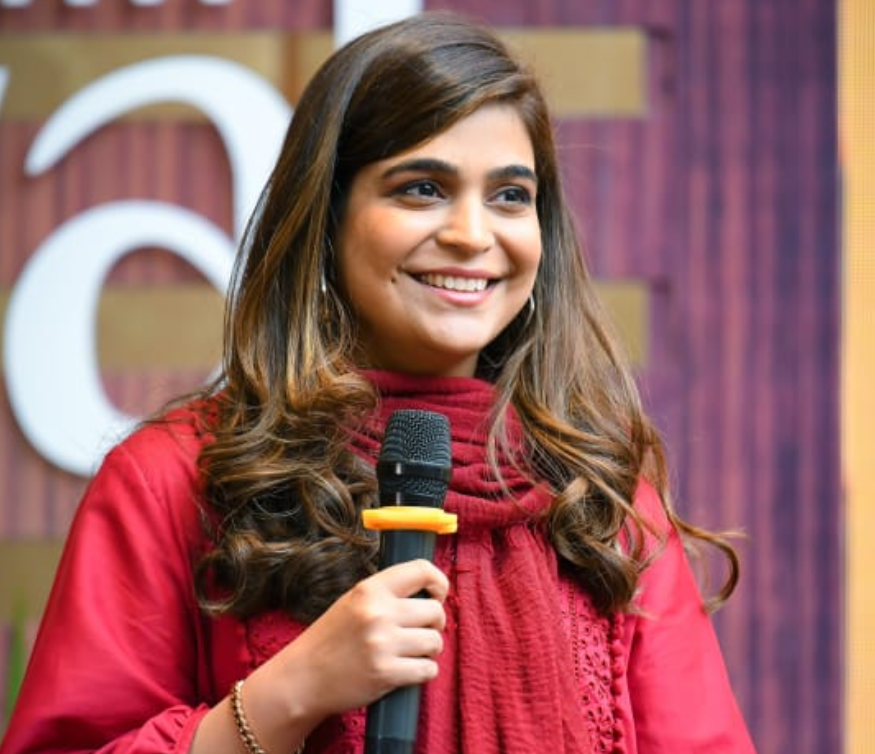
Founder of Soul Sisters Pakistan, a community-driven social enterprise focused on women empowerment and social dialogue.
Founder of Kashf Foundation, one of Pakistan’s largest microfinance institutions empowering women entrepreneurs.

Co-founder of the Malala Fund and former entrepreneur at WeWork, advocating global education and women’s leadership.
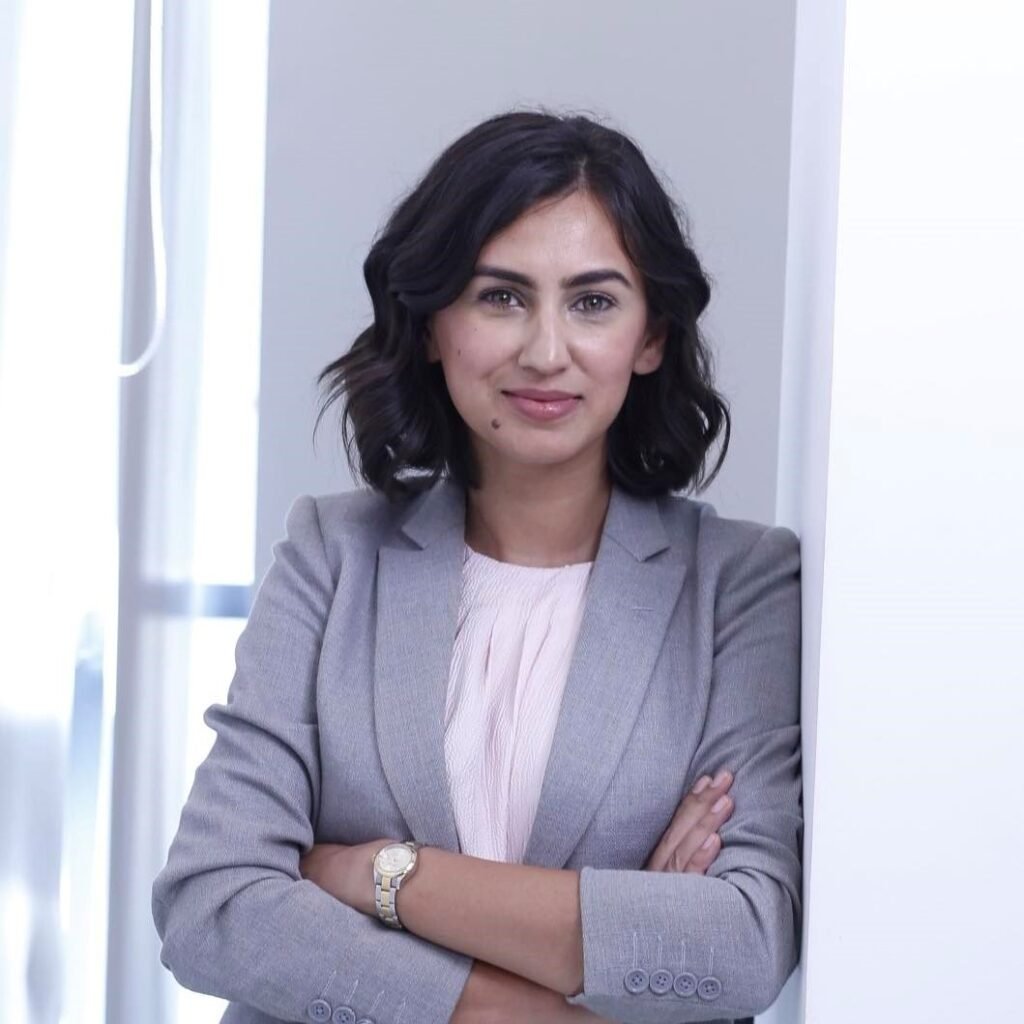
Co-Founder & CEO, BusCaro, a digital bus ticketing and intercity mobility platform, improving travel access and transparency for thousands of passengers nationwide.

Founded MedIQ, a health-tech startup providing smart digital healthcare solutions and improving access to medical services across Pakistan.
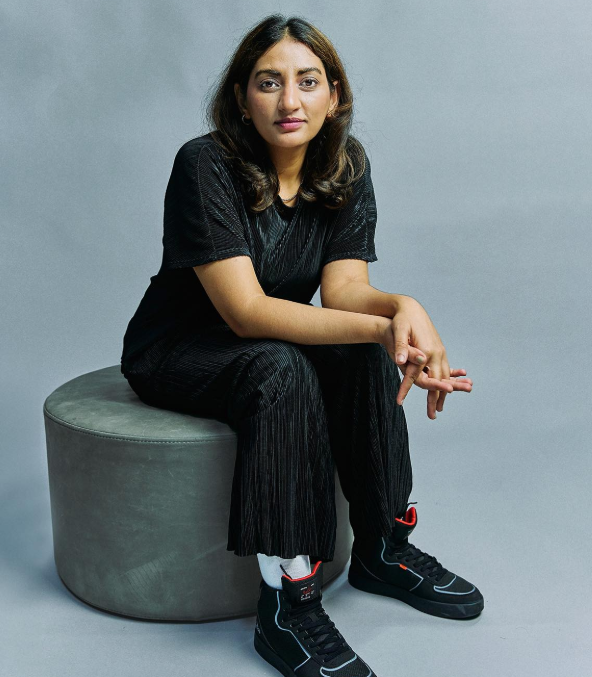
Sidra Qasim is a Pakistani-origin entrepreneur and co-founder of Atoms, a global footwear startup, serving as an inspiration for Pakistani women in global entrepreneurship.

Romanna Dada is a Pakistani entrepreneur and venture capitalist, who invests in and mentors early-stage startups.
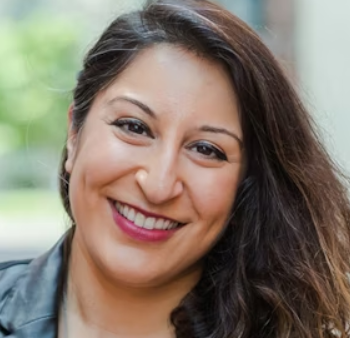
Kalsoom Lakhani is the founder of Invest2Innovate (i2i), one of Pakistan’s most influential startup accelerators, supporting early-stage entrepreneurs through funding, mentorship, and ecosystem building.

Maria Umar founded the Women’s Digital League, Pakistan’s first all-women digital agency, empowering women to earn through freelancing, remote work, and digital skills training.
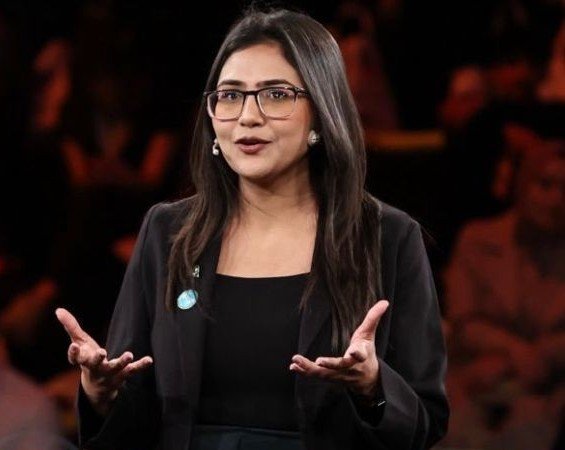
Azima Dhanjee is the co-founder of ConnectHear, a social enterprise improving access to education and communication for Pakistan’s deaf community through technology and inclusive learning solutions.
Female entrepreneurs in Pakistan are making strong contributions in:
Women-led startups in software development, digital marketing, and IT services.
Online clothing brands, beauty startups, and home-based e-commerce businesses.
Online academies, skill-based learning platforms, and test preparation startups.
Telemedicine platforms, mental health startups, and women-focused healthcare services.
Businesses addressing education, poverty, women’s rights, and sustainability.
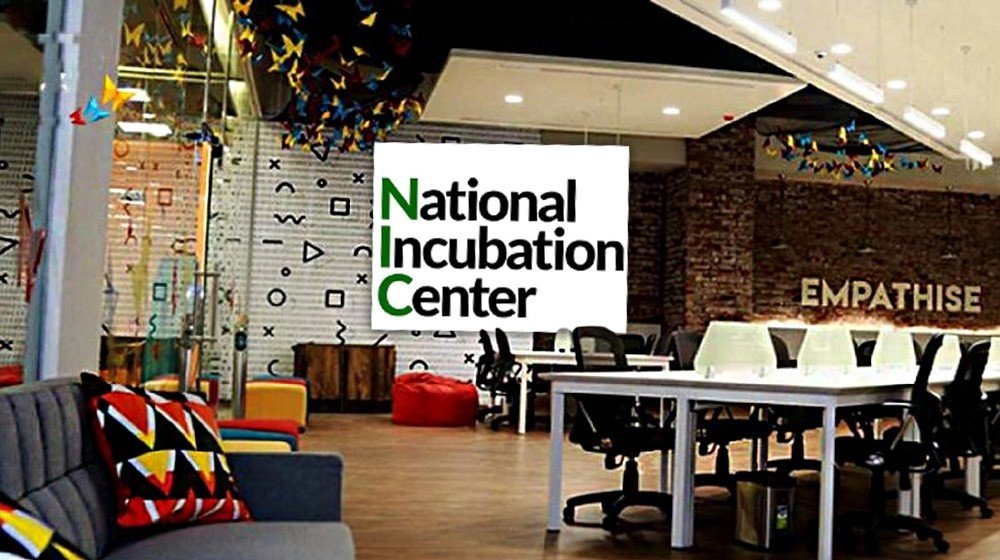
Several initiatives support female entrepreneurship in Pakistan:
These programs aim to increase women’s access to finance, mentorship, and markets.

Despite progress, women entrepreneurs still face challenges such as:
Addressing these barriers is essential for inclusive economic growth.
The future of women entrepreneurship in Pakistan looks promising due to:
With the right ecosystem, women entrepreneurs can become a major economic force in Pakistan.
Female entrepreneurs in Pakistan are not only building successful businesses—they are reshaping society, empowering communities, and contributing to national development. From technology and education to finance and social impact, women-led enterprises are proving that inclusive entrepreneurship is essential for Pakistan’s future.
By strengthening access to education, finance, and supportive policies, Pakistan can unlock the full potential of its women entrepreneurs and move toward sustainable, inclusive growth.