

HOME > Blog

Pakistan’s higher education sector has expanded rapidly over the last few decades. From having only two universities (University of the Punjab and University of Sindh) at the time of independence, the country now hosts over 260 recognized universities as of 2025, making higher education more accessible than ever. But how many universities are there in Pakistan exactly, and how are they categorized?
Table of Contents
ToggleThis detailed guide answers that question with updated figures, historical context, official sources, and notable universities, helping students, parents, and researchers make informed decisions.
Think With Jamal Sohail is your space to explore big ideas, real-world case studies, and lessons that shape the way we think.
My mission is simple: to make knowledge accessible, relatable, and inspiring—so you can think bigger, act smarter, and grow stronger.
Join me on this journey of ideas, insights, and impact.
Higher education plays a crucial role in Pakistan’s economic growth, innovation, and human capital development. The sector is regulated by the Higher Education Commission (HEC), which ensures quality assurance, accreditation, and recognition of degree-awarding institutions.
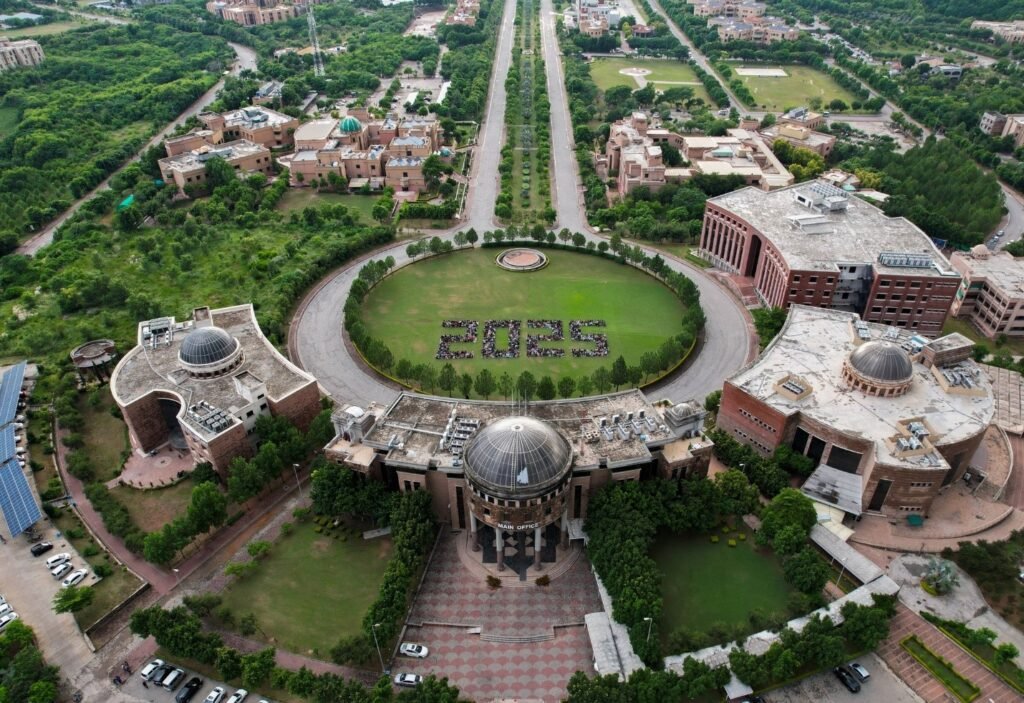
As of 2025, Pakistan has approximately 261 HEC-recognized universities, including both public and private sector institutions.
This figure includes:
These universities offer undergraduate, graduate, and doctoral programs across diverse disciplines.
Important Note: Only universities listed on the HEC website are officially recognized. Students should always verify an institution before applying.
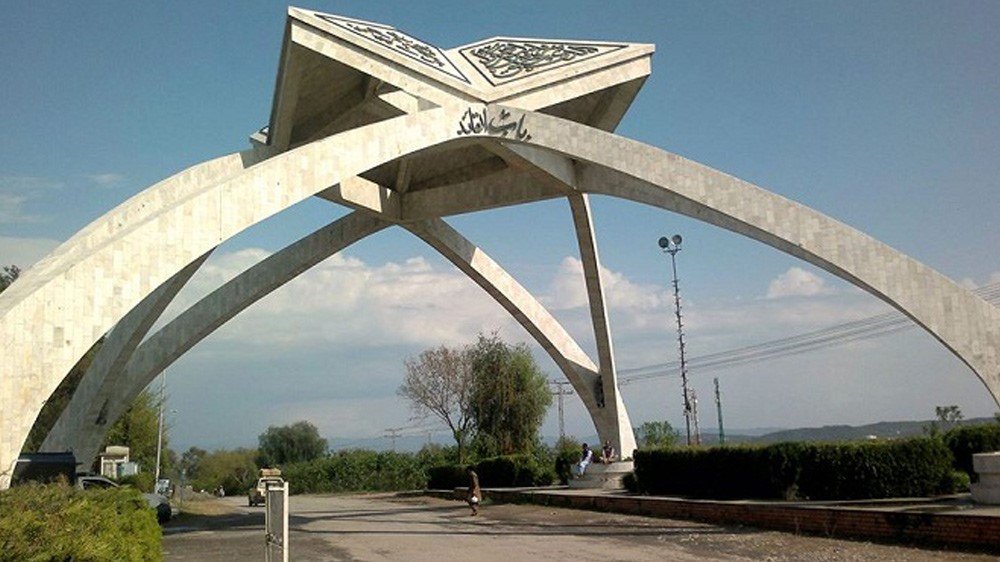
Public universities are funded by federal or provincial governments and generally offer lower tuition fees.
Examples:
These universities are known for research output, large student bodies, and academic diversity.
Private universities are independently managed and often focus on modern curricula, industry linkages, and professional education.
Examples:
Private universities have significantly increased access to higher education, especially in urban centers.
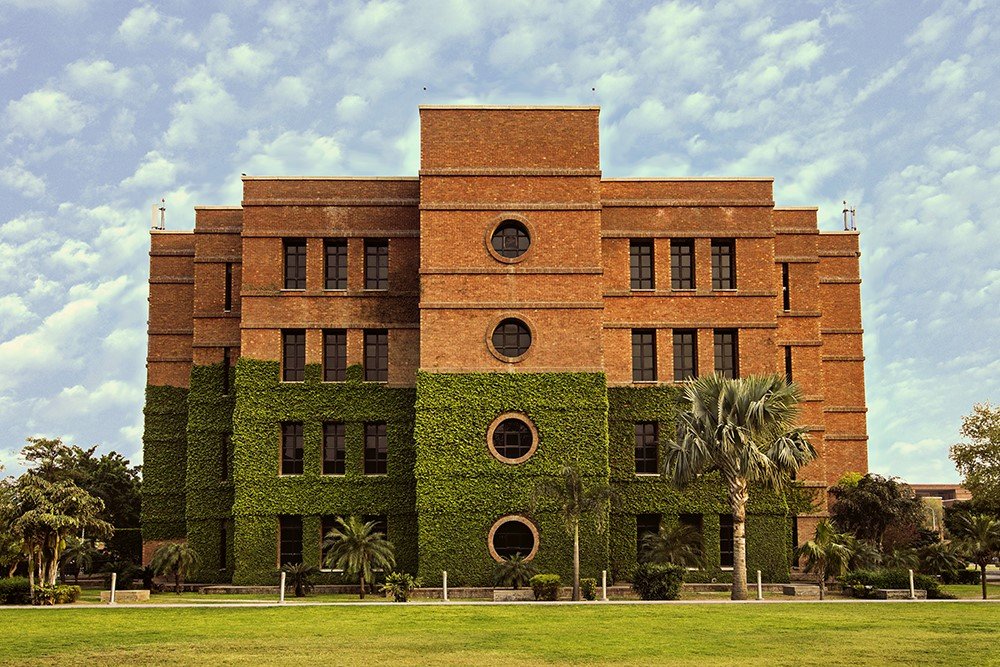
Pakistan’s universities are spread across all provinces and regions:
Region | Key Highlights |
Punjab | Largest number of universities |
Sindh | Major hub due to Karachi |
Khyber Pakhtunkhwa | Rapid expansion in last decade |
Islamabad (ICT) | High concentration of top universities |
Balochistan | Fewer institutions, gradual growth |
AJK & Gilgit-Baltistan | Developing higher education sector |
Islamabad alone hosts 25+ universities, making it one of the most education-dense regions in the country.
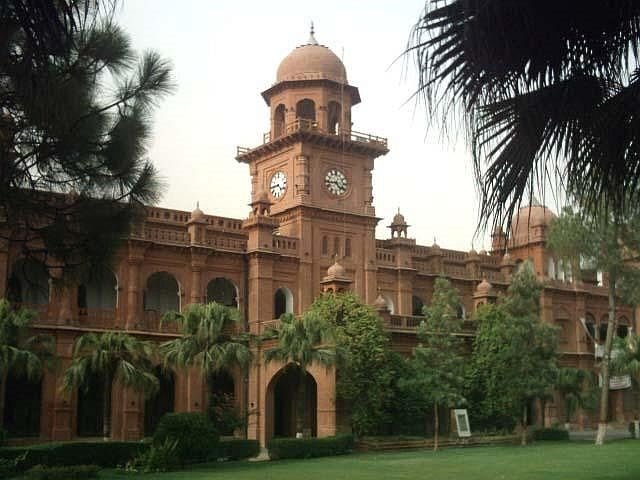
Pakistan’s higher education system has evolved dramatically:
The creation of the Higher Education Commission (HEC) in 2002 was a turning point, leading to increased funding, faculty development, and international collaboration.
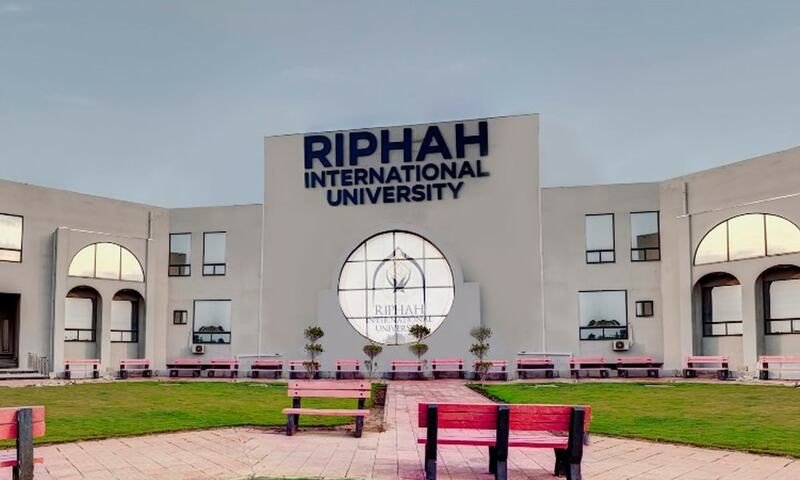
To be counted officially, an institution must:
HEC recognized universities list: https://www.hec.gov.pk/english/services/universities/Pages/default.aspx
Some institutions are classified as Degree Awarding Institutes (DAIs) and are often included in official counts.

Understanding how many universities exist in Pakistan is important for:
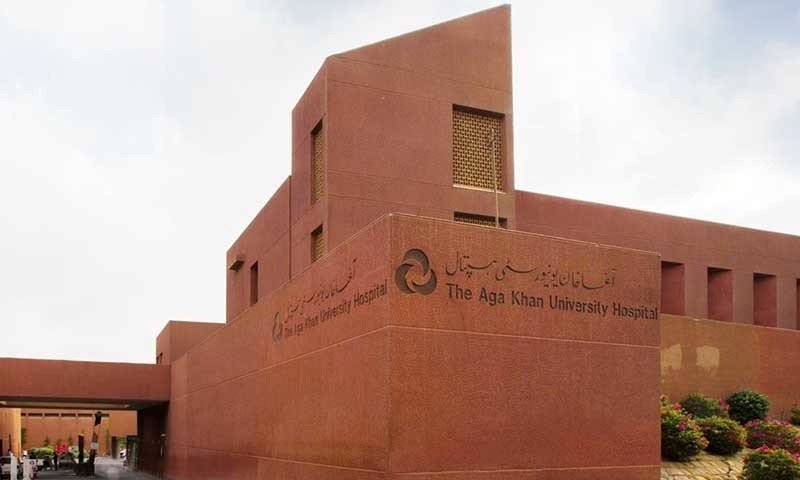
Here are some well-known and respected universities:
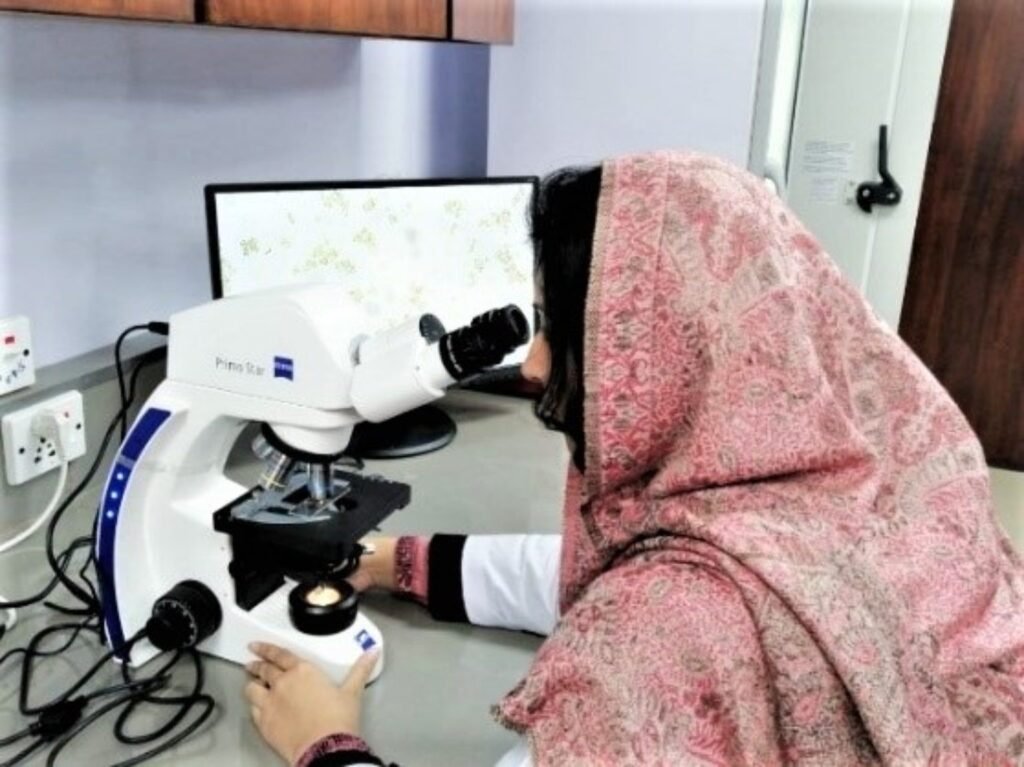
Pakistan’s university system is expected to grow further with emphasis on:
Quality assurance and employability are becoming key focus areas.
As of 2025, Pakistan has approximately 261 HEC-recognized universities, including both public and private institutions.
With universities like QAU, NUST, LUMS, AKU, and Riphah International University, Pakistan’s higher education landscape continues to strengthen in quality, reach, and global relevance.
Whether you are a student, parent, researcher, or policymaker, understanding this structure helps you make smarter educational and career decisions.