


HOME > Blog

Pakistan’s education system has enormous potential—but persistent challenges continue to hold students back. From outdated curricula to unequal access, the problems are real, but so are the opportunities for reform. This comprehensive guide explores actionable strategies, backed by global best practices, to strengthen Pakistan’s education sector and prepare future generations for a competitive world.
Table of Contents
ToggleThink With Jamal Sohail is your space to explore big ideas, real-world case studies, and lessons that shape the way we think.
My mission is simple: to make knowledge accessible, relatable, and inspiring—so you can think bigger, act smarter, and grow stronger.
Join me on this journey of ideas, insights, and impact.
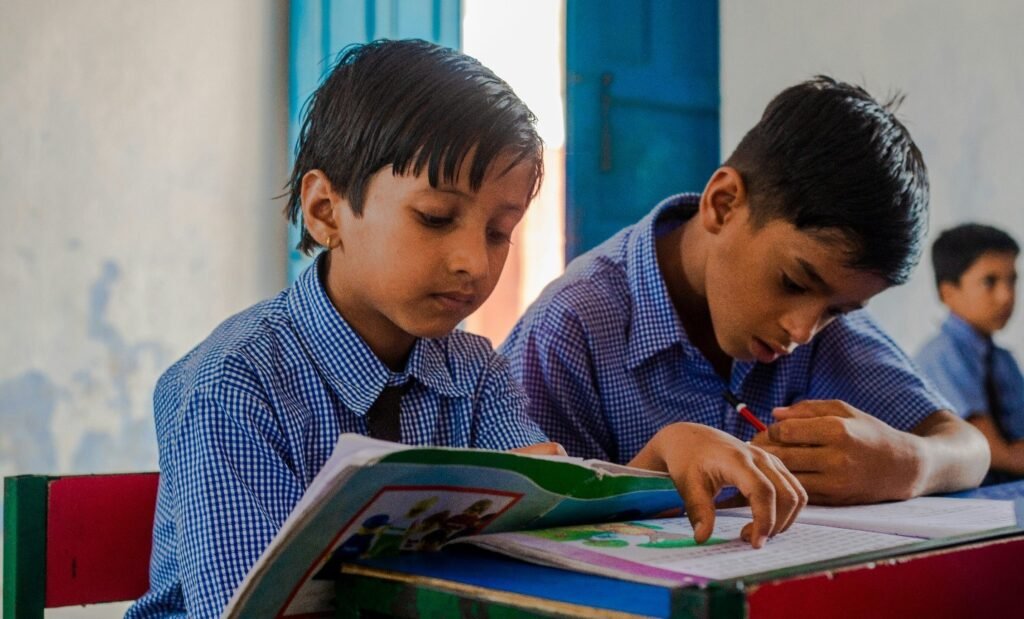
A strong education system is the foundation of economic growth, poverty reduction, and national development. Countries like Finland, Singapore, and South Korea transformed their economies through strategic investments in education—something Pakistan can replicate by adopting modern policies and practices.
For background on global education indicators, see UNESCO’s Education Dashboard.
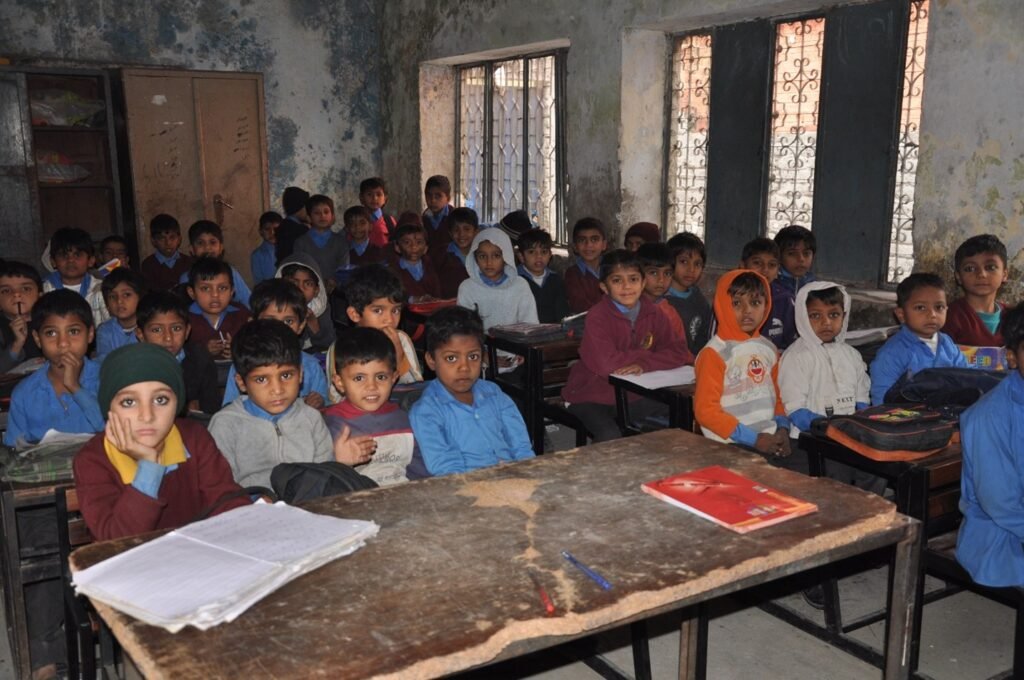
Some major hurdles include:
For official statistics, refer to the Pakistan Bureau of Statistics and Ministry of Federal Education.
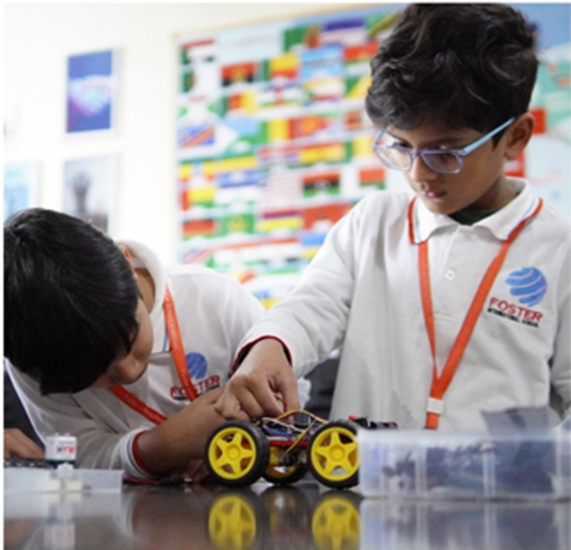
Pakistan’s curriculum must align with today’s job market and global standards. Key updates include:
A modern curriculum ensures students are future-ready and competitive internationally.
Teachers are the backbone of any education system. Reforms should include:
Empowered teachers lead to empowered students.
Pakistan consistently spends below global standards on education. Increasing the education budget to at least 4% of GDP, as recommended by UNESCO, is essential.
Read more:
Budget increases should cover infrastructure, teacher salaries, curriculum upgrades, and technology integration.
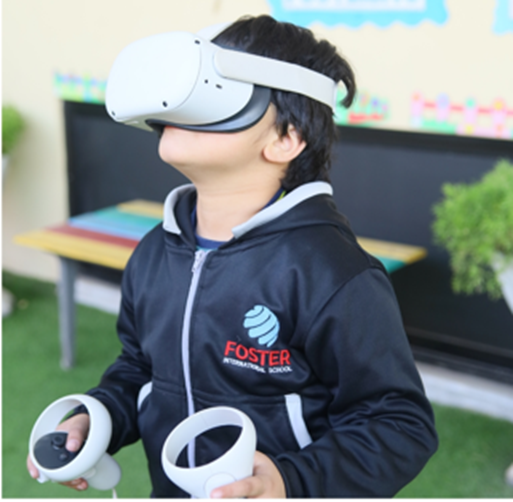
Digital transformation can solve accessibility gaps. Key actions:
Technology can significantly reduce rural-urban disparities.
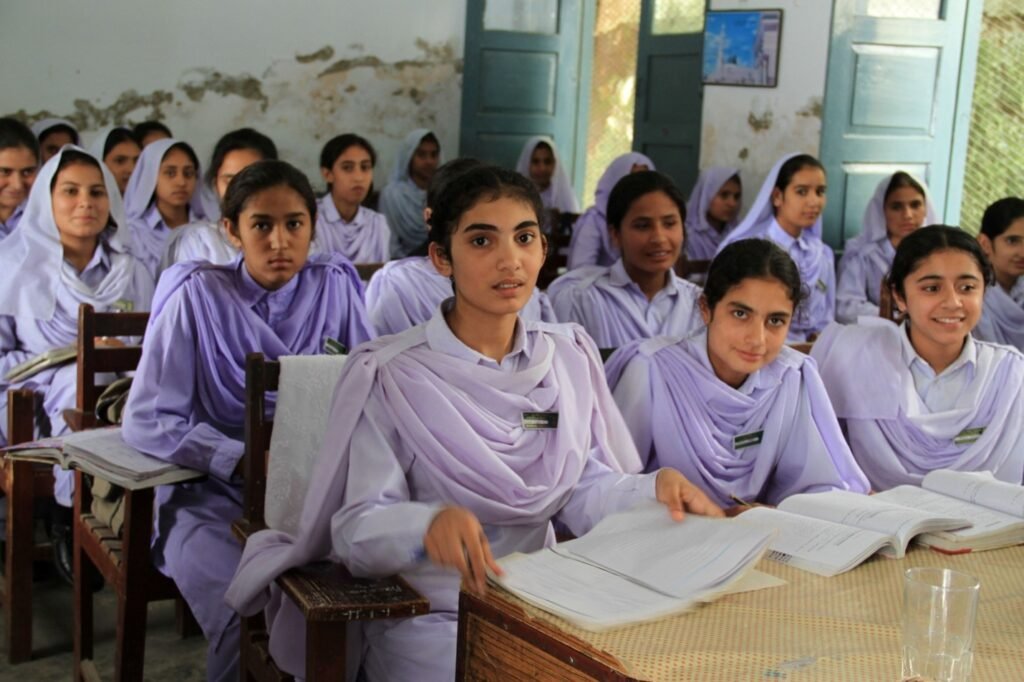
A fair education system must support:
International models like UNICEF’s Child-Friendly Schools offer guidance:
https://www.unicef.org/education
Policies must address enrollment, retention, and safety.
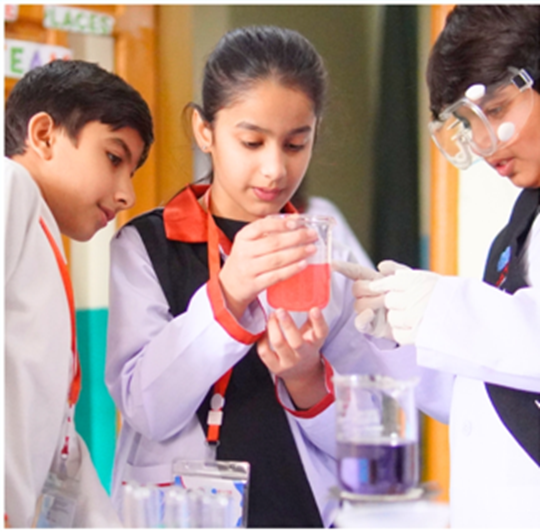
Thousands of schools lack electricity, toilets, clean drinking water, or boundary walls. Infrastructure upgrades should include:
Better environments create better learning outcomes.
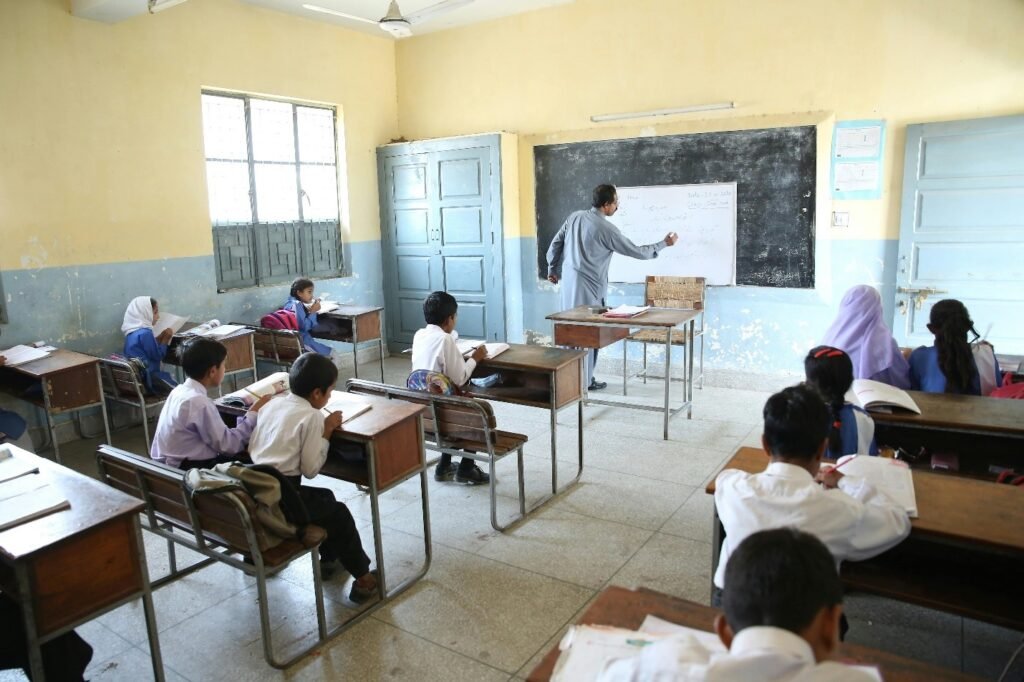
Governance reforms must focus on:
Good governance ensures long-term sustainability.

Pakistan can adopt lessons from top-performing countries:
Learn more about high-performing systems through the OECD Education Reports.
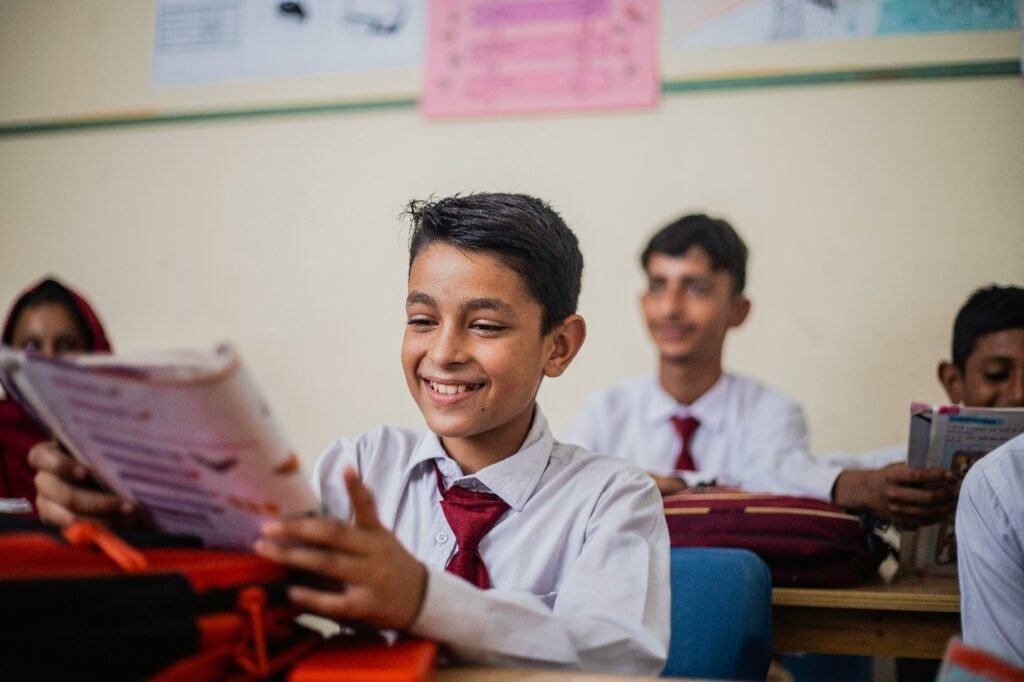
Improving Pakistan’s education system is not impossible—it simply requires strategic investment, modern policies, and commitment at every level. By upgrading the curriculum, training teachers, improving infrastructure, adopting technology, and ensuring access for all, Pakistan can build a stronger, more prosperous future.
Education is the best investment a nation can make—and the time to reform is now.